Global Services
Global Services
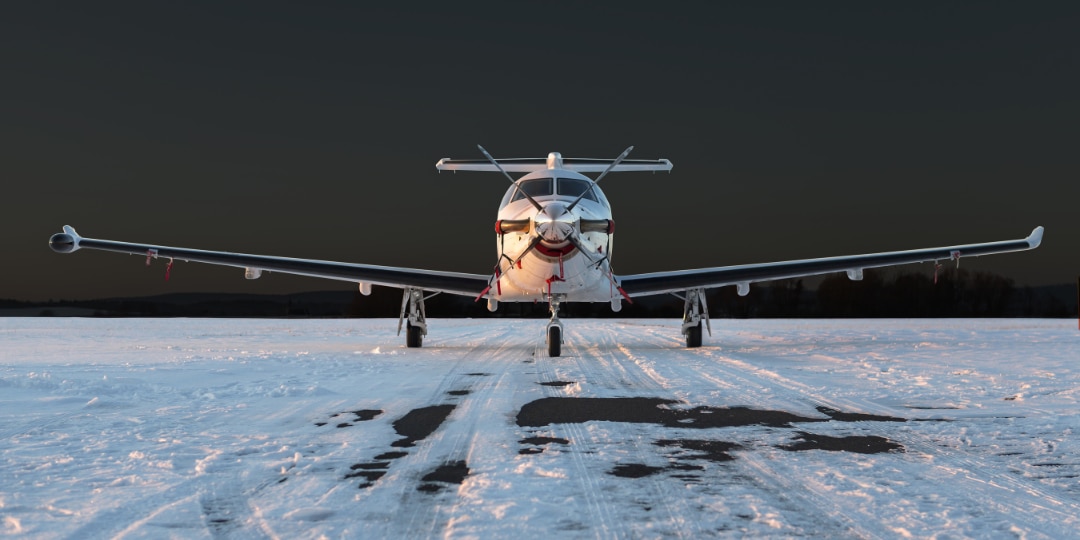
Winter flying is a unique test of skill, preparation, and technology. For aviation professionals—from pilots and mechanics to procurement specialists—the winter season brings a familiar but formidable adversary: ice. While the serene beauty of snow-covered landscapes and crisp blue skies can captivate, the reality is that ice formation on aircraft surfaces poses a serious threat to flight safety and operational efficiency.
Ice is more than just a nuisance; it’s a silent disruptor. When ice accumulates on wings, stabilizers, or engine inlets, it alters the smooth airflow that aircraft rely on to generate lift. Even a thin layer can increase drag, reduce lift, and add weight—factors that can compromise takeoff performance and in-flight handling. For pilots, this means heightened vigilance and a deep understanding of how to detect and mitigate icing hazards and risks.
Ice forms when supercooled water droplets in clouds or precipitation freeze upon contact with the cold surfaces of an aircraft. This can happen even when ambient temperatures are just below freezing, and sometimes in unexpected conditions such as freezing rain or sleet. The challenge is compounded by the fact that ice can block critical sensors, like pitot tubes, leading to inaccurate airspeed readings and potentially dangerous situations.
For mechanics and maintenance teams, the presence of ice means more than just cleaning—it demands reliable, effective de-icing systems that can prevent ice accumulation during flight and on the ground. This is where technology and innovation become crucial for flight safety.
Aircraft de-icing is a carefully orchestrated process that integrates chemistry, engineering, and operational expertise. Ground crews apply heated glycol-based fluids to melt existing ice and prevent new accumulation before takeoff. However, the battle against ice continues once airborne. Aircraft equipped with advanced de-icing systems can actively combat ice formation during flight.
SMR’s Ice Shield® product line exemplifies this approach. Their pneumatic wing and tail boot de-icers inflate and deflate to break ice free from critical surfaces, while electro-thermal systems keep propellers and engine inlets clear. These aircraft de-icing solutions are designed for a range of aircraft platforms, including Dash 8, Saab 340, Beechcraft 1900, King Air 200/300, Piper PA-31, Cessna 208, Pilatus PC-12, and TBM models, ensuring broad applicability across general and commuter aviation.
For procurement professionals, selecting the right de-icing system is a strategic decision that impacts safety, aircraft availability, and operational expenses. Ice Shield® products are engineered for durability and backed by responsive customer service and a no-hassle warranty—critical factors when minimizing aircraft downtime is paramount.
Investing in proven de-icing technology not only enhances safety but also supports regulatory compliance and operational efficiency. It’s a decision that yields dividends in reliability and peace of mind.
Pilots rely on their aircraft’s de-icing systems as a frontline defense against the hazards of winter flying. Understanding how these systems work, performing thorough pre-flight inspections, and maintaining open communication with ground crews are essential practices.
Mechanics play a vital role in ensuring these systems function flawlessly. From inspecting pneumatic boots and electro-thermal elements to verifying valve operation and wiring integrity, their aviation maintenance expertise keeps aircraft ready to face winter’s challenges.
Winter flying demands respect for nature’s power and a commitment to safety through preparation and technology. The combination of pilot skill, maintenance diligence, and advanced de-icing systems like Ice Shield® establishes a formidable barrier against the threats posed by ice.
As the aviation community continues to innovate and adapt, embracing these solutions ensures that winter’s allure can be enjoyed without compromising safety or performance.
To explore a range of trusted airframe de-icing and anti-icing systems and parts, visit Shop.Boeing.com—your destination for quality aviation products designed to keep you flying safely through every season.