Sign In / Register

Interactive list componentlink componet- interactive

management, implementation of Electronic Work Instructions and optimal inclusion of additional data elements

management, implementation of Electronic Work Instructions and optimal inclusion of additional data elements

Interactive list componentlink componet- interactive

management, implementation of Electronic Work Instructions and optimal inclusion of additional data elements

management, implementation of Electronic Work Instructions and optimal inclusion of additional data elements

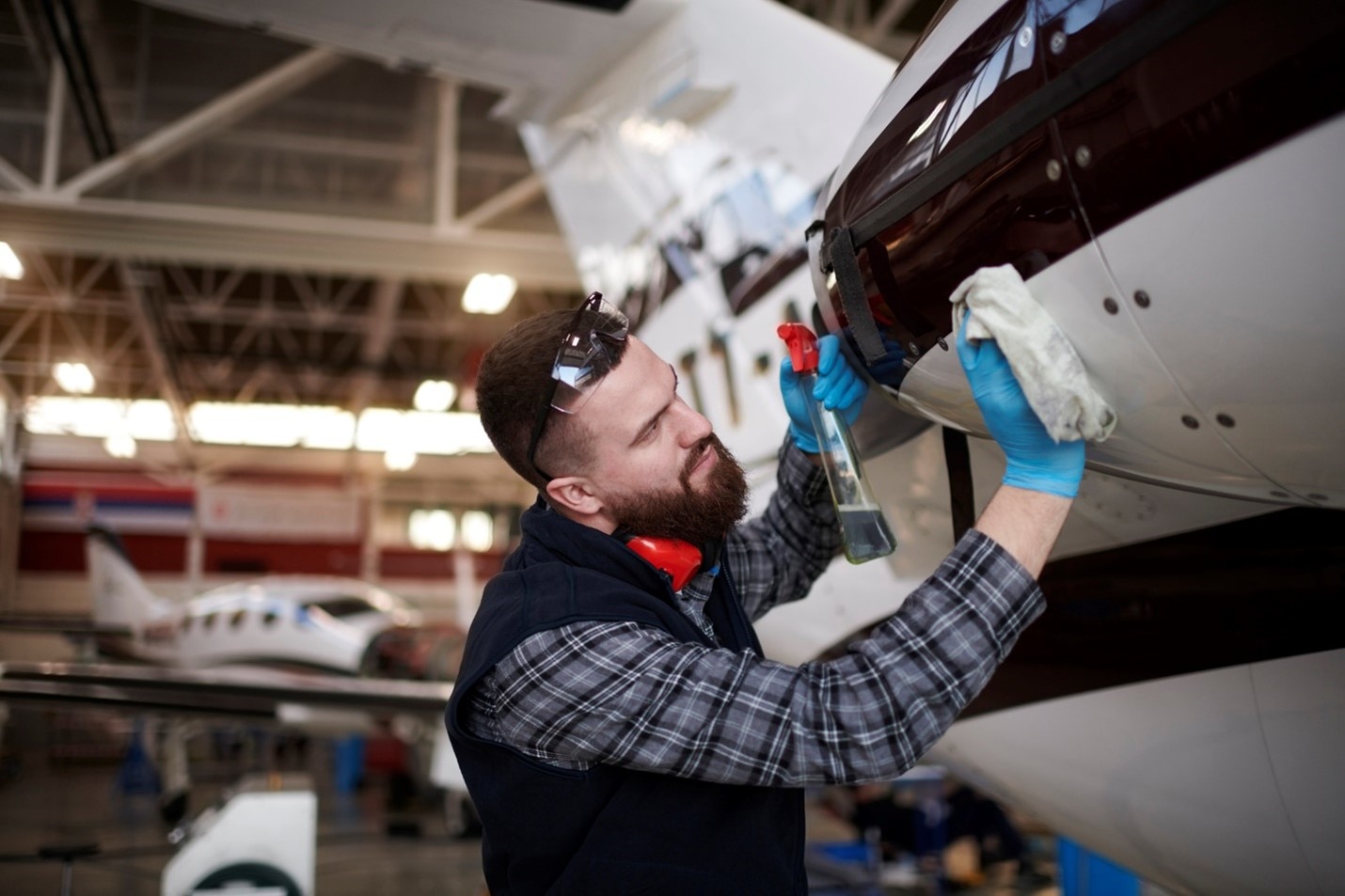
boeing-aircraft-cleaning-process.jpg

Regular cleaning is essential for maintaining an aircraft's appearance, performance, and safety. Clean interior cabins after each flight, with a deep cleaning scheduled weekly or monthly, depending on usage. Wash the aircraft exterior every few weeks and perform thorough detailing during maintenance checks.

Cabin Cleaning

Cleaning the interior of an aircraft is a crucial maintenance task that ensures passenger comfort and safety. The interior of an aircraft is subject to various contaminants, including dirt, food spills, and germs, making regular cleaning essential.

The process typically involves general surface cleaners and specialized products for the following areas:

  • Remove loose items and trash: Remove floor mats, seat cushions (if removable), and any debris. Dispose of trash and check seat pockets for leftover items.
  • Carpets, upholstery, and fabric seats: Vacuum to remove dirt and debris paying special attention to corners where dirt accumulates. Specialized carpet cleaners and fabric fresheners are designed to remove stains, spills, or odors and use as needed.
  • Leather seats (if applicable): Leather seats require special care to maintain their appearance and durability. Use microfiber cloths to apply leather cleaners to remove dirt and oils and conditioners to help keep the leather supple and prevent cracking.
  • Interior panels: Use an all-purpose aviation cleaner to wipe down plastic and metal surfaces, avoiding harsh chemicals that can cause damage or discoloration.
  • Galley: Clean and disinfect food preparation areas and equipment. Don't forget to clean the drains too.
  • Lavatories: Thoroughly clean and sanitize sinks, toilets, and surfaces. Specialized lavatory chemicals such as Celeste deodorants are used to keep the toilets smelling fresh and running smoothly.
  • Windows: Clean for clear visibility and aesthetics using specialized cleaners for aviation windows.
  • High-touch surfaces: Sanitize control yokes, door handles, switches, armrests, tray tables, seatbelts, and overhead bins with disinfectants. Use a screen-specific cleaner or dry microfiber cloth for avionics and display screens. Remember to use special care to avoid excessive moisture around avionics and electrical components.
  • Cabin and fuel filters: Regularly inspect and replace cabin air filters to ensure optimal air quality for passenger comfort. Additionally, check fuel filters to maintain engine performance and efficiency, preventing contaminants from affecting fuel delivery.
  • Final check: Ensure seat belts are untangled and positioned correctly, verify all surfaces are dry and that no cleaning residue is left on instruments or controls, and close and secure all doors properly after cleaning.

Regular interior cleaning not only enhances the overall flying experience but also helps preserve the aircraft's interior materials, contributing to the longevity and aesthetic appeal of the cabin.

Exterior surface cleaning

Cleaning the exterior of an aircraft is essential for both aesthetic and operational reasons. It is important to mention that you should only use approved cleaners as unapproved products can damage the paint or lead to other serious issues like corrosion. The exterior cleaning process of an aircraft involves several systematic steps to ensure thorough cleaning while protecting the aircraft's surfaces.

Here are the ten steps part of the typical process for aircraft exterior surface cleaning:

  • Pre-inspection: Before cleaning begins, conduct a thorough walk-around and inspect the aircraft's exterior to identify areas with heavy dirt, grease, or damage that may require special attention.
  • Preparation: Close windows, doors, and necessary hatches. Seal or cover all applicable sensors, antennas, and openings with pitot probe covers or engine/APU plugs as needed. Ensure that all essential cleaning supplies and equipment are on hand.
  • Pre-cleaning rinse: Rinse loose dirt, dust, and debris from the aircraft's surface with water.
  • Washing: Mix a specialized aircraft wash solution with water and apply it to the aircraft's exterior using a soft cloth, sponge, or foam applicator. Use low-pressure washing systems and especially avoid high-pressure washing near rivets and seams. After washing, thoroughly rinse the aircraft with clean water to remove all soap and contaminants. Rinsing is crucial to prevent residue from drying on the surface.
  • Spot cleaning: Treat areas with stubborn stains, such as fuel spills, carbon deposits, hydraulic fluid leaks, or tar, with appropriate solvent-based or specialty cleaners, followed by gentle scrubbing and rinsing. The belly of the aircraft is known to accumulate debris, such as oil and exhaust stains. When cleaning landing gear, apply a rubber preservative to extend tire life. Reapply grease as needed if washed out by a degreaser.
  • Cleaning windows: Take special care when cleaning windows, as the wrong type of cleaning products can cause damage. Use Aviation glass cleaners to maintain the clarity and cleanliness of the aircraft's cockpit windows and other glass surfaces. The cleaners are typically ammonia-free to prevent damage to tinted glass. Microfiber cloths are recommended to avoid scratching the surface.
  • Drying: Dry the aircraft with soft microfiber towels or chamois to prevent water spots and streaks, particularly on windows and polished surfaces.
  • Polishing: After drying, polishing compounds may be applied to the fuselage and wings to restore shine and provide a protective layer against environmental elements.
  • Final inspection: Conduct a final inspection to ensure that all areas have been cleaned properly and that no damage has occurred during the cleaning process.
  • Documentation: Document the cleaning process for maintenance records per FAA requirements, noting any issues found during the inspection that may require further attention.

This systematic cleaning ensures the aircraft remains in top condition, enhancing its appearance and operational performance. Happy cleaning!